

How do I adjust the tightness of titanium screws?
Nov 26, 2026
Leave a message
Adjusting the tightness of titanium screws is a crucial skill, especially for those in industries that rely on these high - performance fasteners. As a titanium screw supplier, I have witnessed firsthand the importance of proper screw tightness in various applications. In this blog, I will share some insights on how to adjust the tightness of titanium screws effectively.
Understanding Titanium Screws
Titanium screws are known for their excellent strength - to - weight ratio, corrosion resistance, and biocompatibility. They are widely used in industries such as aerospace, medical, and automotive. However, due to the unique properties of titanium, adjusting their tightness requires special attention.
Titanium has a relatively low modulus of elasticity compared to steel. This means that it can deform more easily under stress. Over - tightening a titanium screw can lead to thread stripping, which can compromise the integrity of the joint. On the other hand, under - tightening can result in a loose connection, which may cause vibrations, noise, and even failure of the assembled components.
Tools for Adjusting Tightness
To adjust the tightness of titanium screws, you will need the appropriate tools. A torque wrench is the most commonly used tool for this purpose. A torque wrench allows you to apply a specific amount of force to the screw, ensuring that it is tightened to the correct specification.
There are different types of torque wrenches available, including click - type, beam - type, and digital torque wrenches. Click - type torque wrenches are the most popular choice as they emit a clicking sound when the preset torque value is reached. Beam - type torque wrenches use a pointer to indicate the applied torque, while digital torque wrenches provide a digital readout of the torque value.
In addition to a torque wrench, you may also need a socket or a screwdriver that is compatible with the head of the titanium screw. For example, if you are working with a Titanium Hex Flange Screw, you will need a hex - socket wrench.
Steps to Adjust the Tightness
-
Clean the Screw and the Threaded Hole
Before tightening the titanium screw, it is important to clean the screw and the threaded hole. Any dirt, debris, or oil can affect the torque value and cause inaccurate tightening. Use a clean cloth or a brush to remove any contaminants from the screw and the hole. -
Apply Lubricant (Optional)
In some cases, applying a small amount of lubricant to the threads of the titanium screw can help reduce friction and ensure more accurate torque application. However, it is important to use a lubricant that is compatible with titanium. Some lubricants may react with titanium and cause corrosion. -
Set the Torque Value
Refer to the manufacturer's specifications or engineering guidelines to determine the correct torque value for the titanium screw. Set the torque wrench to the specified value. Make sure to double - check the setting before starting to tighten the screw. -
Tighten the Screw
Place the socket or screwdriver on the head of the titanium screw and slowly turn it clockwise. Apply a steady and even force. When the torque wrench reaches the preset value, it will indicate that the screw is tightened to the correct specification.
-
Check for Proper Tightness
After tightening the screw, visually inspect the joint to ensure that it is properly assembled. Check for any signs of over - tightening, such as deformation of the screw or the surrounding components. You can also use a feeler gauge to check the gap between the components to ensure that the joint is tight.
Special Considerations for Different Types of Titanium Screws
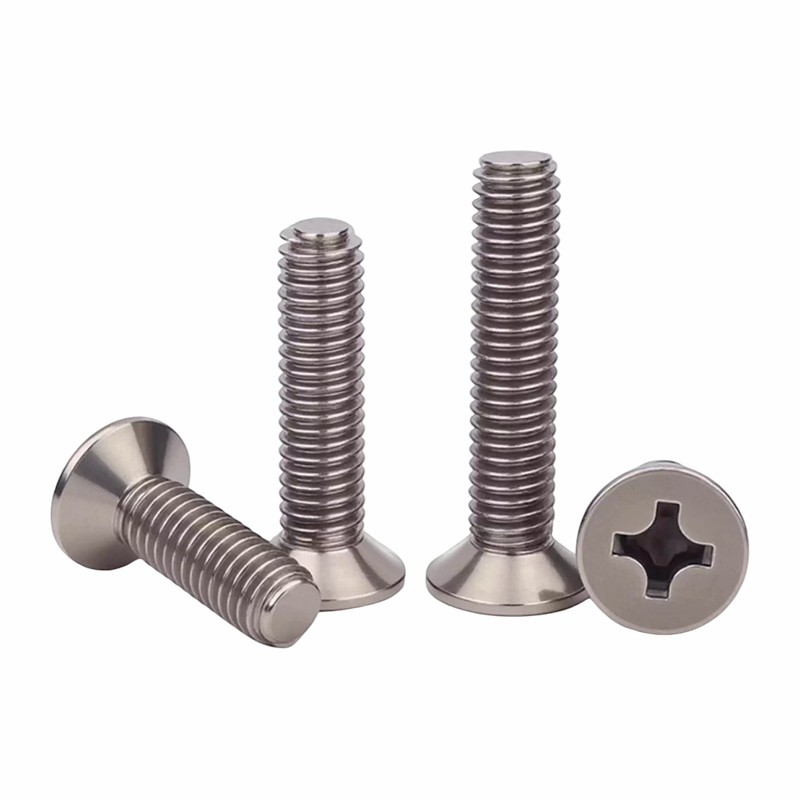
- Titanium Countersunk Head Machine Screw: These screws are designed to be flush with the surface of the material. When tightening them, make sure not to over - tighten, as this can cause the head of the screw to sink too far into the material, damaging the surface.
- Titanium Plate Bracket: When using titanium screws to attach a plate bracket, it is important to ensure that the bracket is properly aligned before tightening the screws. This will help distribute the load evenly and prevent stress concentrations.
Common Mistakes to Avoid
- Over - Tightening: As mentioned earlier, over - tightening titanium screws can lead to thread stripping and other problems. Always follow the recommended torque values.
- Using the Wrong Tool: Using the wrong socket or screwdriver can damage the head of the titanium screw, making it difficult to adjust the tightness. Make sure to use the correct tool for the job.
- Not Cleaning the Screw and Threaded Hole: Dirt and debris can affect the torque value and cause inaccurate tightening. Always clean the screw and the threaded hole before tightening.
Conclusion
Adjusting the tightness of titanium screws is a critical process that requires careful attention to detail. By using the right tools, following the correct procedures, and avoiding common mistakes, you can ensure that your titanium screws are tightened to the correct specification, providing a secure and reliable connection.
If you are in need of high - quality titanium screws or have any questions about adjusting their tightness, feel free to contact us for further assistance. We are here to help you find the best solutions for your specific applications.
References
- "Titanium Fasteners Handbook", Industry Standard Publication
- Manufacturer's specifications for titanium screws
Send Inquiry