

Can I wash all my clothes together in a washer?
Jun 22, 2026
Leave a message
Is it a good idea to wash all your clothes together in a washer? This is a question that many people ask themselves, especially when they're short on time or trying to conserve water. As a washer supplier, I've seen firsthand the impact of different washing habits on both clothes and machines. In this blog post, I'll explore the pros and cons of washing all your clothes together, offer some practical tips, and highlight the role that high - quality washers can play in the laundry process.
The Pros of Washing Clothes Together
One of the most significant advantages of washing all your clothes together is convenience. Instead of sorting through piles of laundry, separating whites from colors, delicates from heavy fabrics, you can simply toss everything in the washer and hit start. This saves a considerable amount of time and effort, especially for busy individuals or families with a large volume of laundry.
In addition to convenience, washing clothes together can also save water and energy. Running fewer loads of laundry means less water is used, and the washer doesn't have to heat up as much water for multiple cycles. This can lead to lower utility bills and a more environmentally friendly approach to laundry.
Another point to consider is the potential reduction of wear and tear on your clothes. When clothes are washed in separate loads, they are exposed to multiple cycles of agitation, spinning, and drying. By combining loads, you can reduce the total number of times your clothes go through these processes, which may extend their lifespan.
The Cons of Washing Clothes Together
However, there are also several drawbacks to washing all your clothes together. One of the most obvious issues is color bleeding. Dark - colored clothes, especially those that are new or have not been properly set, can release dye during the wash cycle. If these clothes are washed with lighter - colored items, the dye can transfer, leaving your whites looking dingy and your pastels with unwanted streaks.
Fabric type is another important factor. Delicate fabrics such as silk, lace, or wool require gentle handling. When washed with heavier materials like denim or towels, they can be stretched, snagged, or damaged by the rough agitation of the washer. Heavy fabrics may also not get as clean when washed with lighter items because they require a more robust wash cycle.
Odor can be a problem too. If you wash clothes that have strong odors, such as workout gear or clothes worn while cooking, with your everyday clothes, the smell can transfer. This can leave your entire load of laundry smelling unpleasant.
Tips for Safe and Effective Laundry
If you still want to wash your clothes together, there are several tips you can follow to minimize the risks. First, look at the care labels on your clothes. Care labels provide valuable information about the fabric type, water temperature, and recommended wash cycle. Try to group your clothes based on similar care requirements as much as possible, even if you're not doing a full - scale sort.
Use a high - quality laundry detergent that is designed to prevent color bleeding and clean a variety of fabric types. Some detergents have special formulations that can capture loose dyes, reducing the risk of color transfer.

To protect delicate items, you can place them in a mesh laundry bag before putting them in the washer. This will help shield them from the more robust movements of the heavier fabrics.
The Role of a Good Washer
A reliable washer is crucial when it comes to handling different types of laundry. Modern washers often come with a variety of settings, such as delicate, heavy - duty, and quick - wash cycles. These settings allow you to customize the wash to suit the specific needs of your clothes, even when they're all in one load.
At our company, we offer a wide range of washers that are designed to provide optimal cleaning performance while protecting your clothes. For example, some of our washers feature advanced suspension systems that reduce vibration and noise, ensuring a smooth and gentle wash cycle. Others have high - capacity drums, which can accommodate larger loads of laundry, making it more practical to wash clothes together.
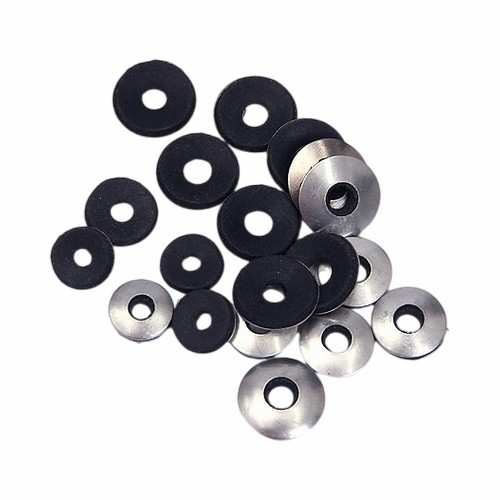
If you're interested in products that are related to our washers in a more general sense, we also provide a variety of washers for other industrial and household applications. For instance, you can check out our Stainless Steel Spring Lock Washer, EPDM Bond Washer for Drilling Screw, and Nylon Flat Washer. These products are crafted with precision and high - quality materials to meet your diverse needs.
Conclusion
In conclusion, while it is possible to wash all your clothes together in a washer, it comes with both advantages and disadvantages. Convenience and water - saving are definite pluses, but the risks of color bleeding, fabric damage, and odor transfer cannot be ignored. By following some simple tips and using a high - quality washer, you can increase the chances of a successful combined - load wash.
If you're in the market for a new washer or have any questions about our products, we're here to help. Our team of experts can provide you with detailed information and guidance to ensure you make the right choice for your laundry needs. Contact us to start a discussion about your requirements and explore how our products can enhance your laundry experience.
References
- "Laundry Care Guide", Consumer Reports.
- "Textile Science: Fabric and Care", American Association of Textile Chemists and Colorists.
- Manufacturer's manuals of various washer models.
Send Inquiry